

Fathers’ Day is coming up soon. Like a lot of those who’ve lost parents, I find myself thinking about them a lot during holidays, and this is no exception. My parents’ deaths play a major role in my book, but that wasn’t the case when I started writing. My father was still alive then. I clearly remember the first and last time we spoke about it. It was February 2021. He casually asked what I’d been working on, and I’d told him I’d decided to take on a big challenge, writing a book on my own.
He was an entrepreneur. So am I. When I was running my translation company, he always enjoyed talking about business and giving fatherly advice. But when it came to the business of writing, he was a little adrift. “I never had any knack for writing,” he chuckled. “I wonder where this talent of your came from?” I reminded him it was he who’d supported my studies abroad, that that is precisely where I learned to read and write in English.
Two months later, he passed, suddenly, of an illness. He was eighty-eight. He’d been fine just weeks before, so it came as quite a shock to all of us. Himself included, for afterwards I’d found a draft of a new year’s letter in which he wrote of looking forward to the year ahead.
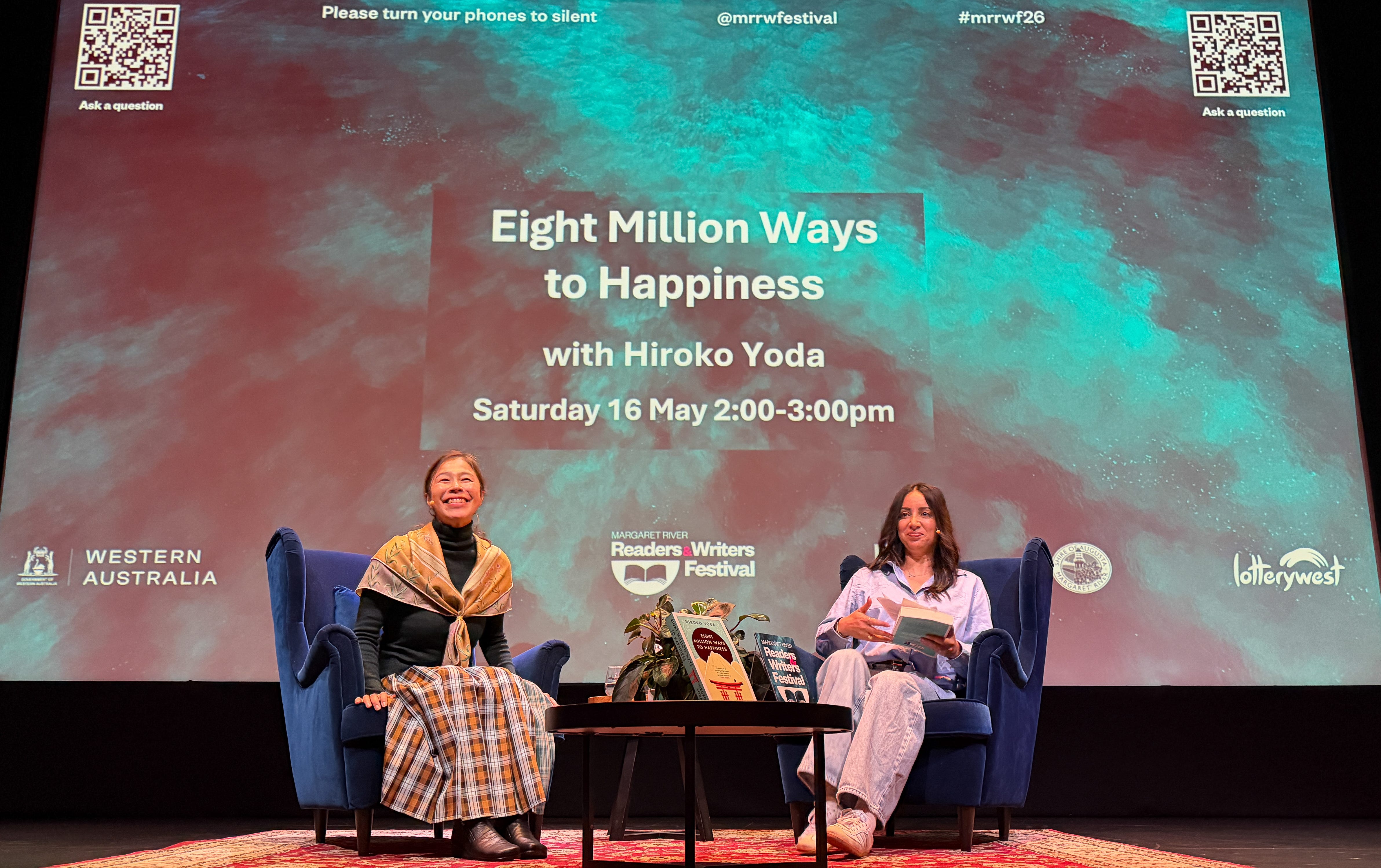
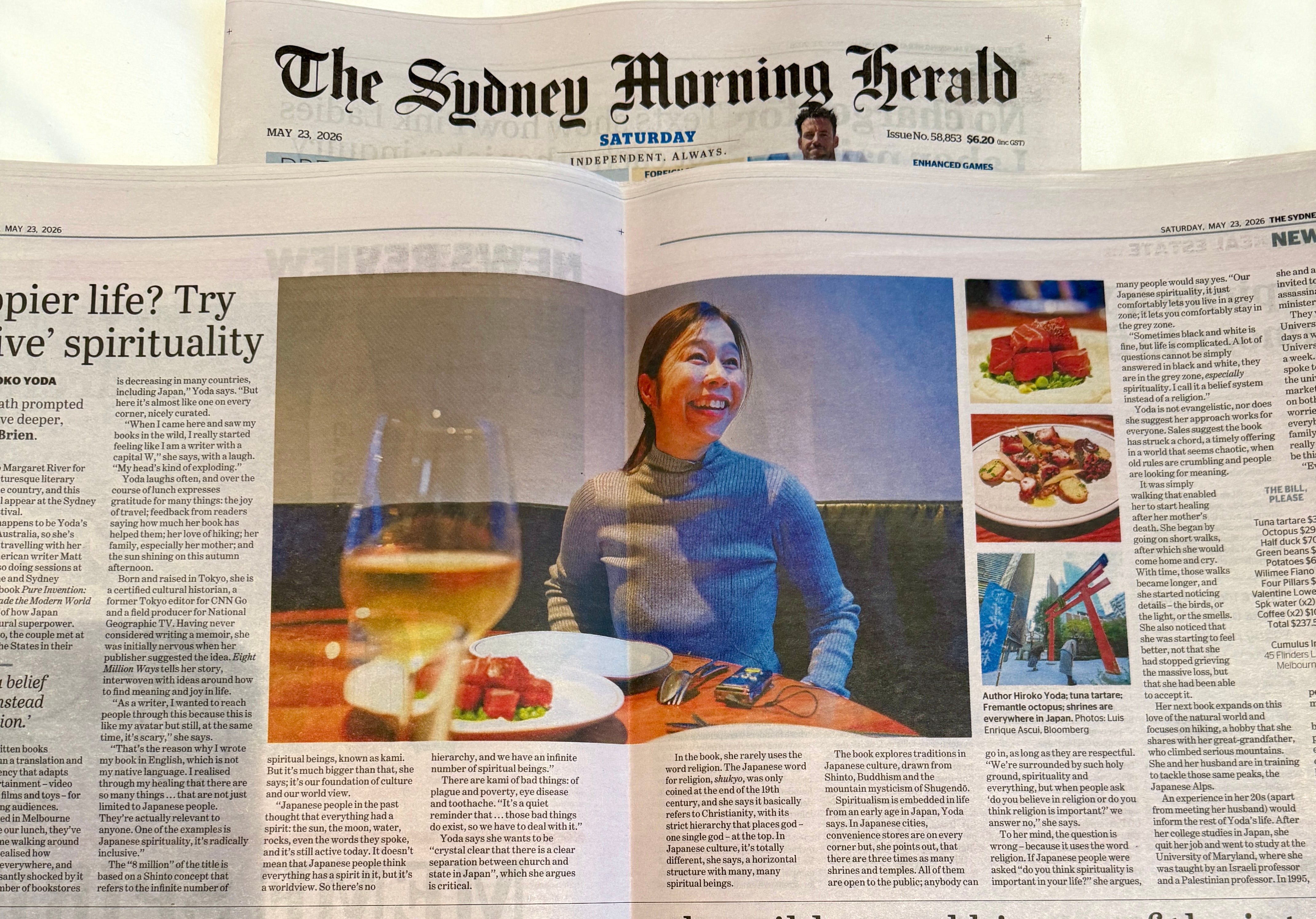
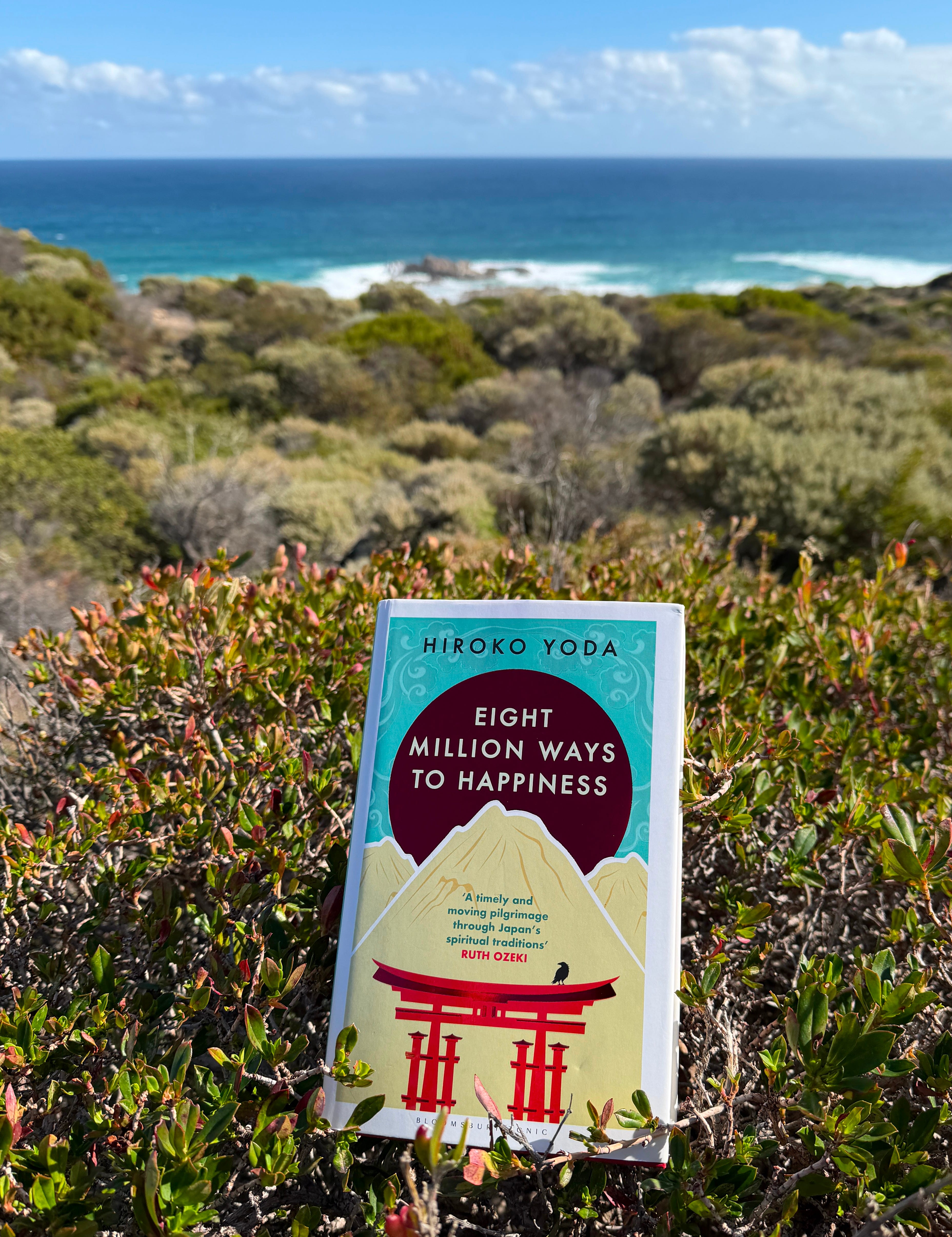
All of this is on my mind because I’ve just returned from my first-ever book tour. I spent three weeks in Australia, invited by writers festivals in Melbourne, Margaret River, and Sydney to speak about Eight Million Ways to Happiness. It was first-ever for a lot of things: I did solo talks to auditoriums full of readers, I participated in panels, and even did one together with my husband. I also spoke to students at a university, did an interview that appeared in the Sydney Morning Herald, and went on multiple radio shows. Three weeks went by in the blink of an eye. It was one of those life highlights, those rare chances you get to take a victory lap. A lot of writers never get a tour, and I’m endlessly grateful for the chance, the experience, the hospitality.
Still, I wish he were here so I could tell him about it. But he isn’t. So I’m going to tell him here, and you’re welcome to read it too. If you’ve lost someone, and you’re missing them, I recommend writing them. There’s no reason not to write just because someone is gone. In fact there’s all the more reason to, because they aren’t really gone, are they? Their stories live inside us. By writing to the departed, we can re-experience spending time with them, add to our shared stories. And besides, I know this is something he’d have loved to hear about.
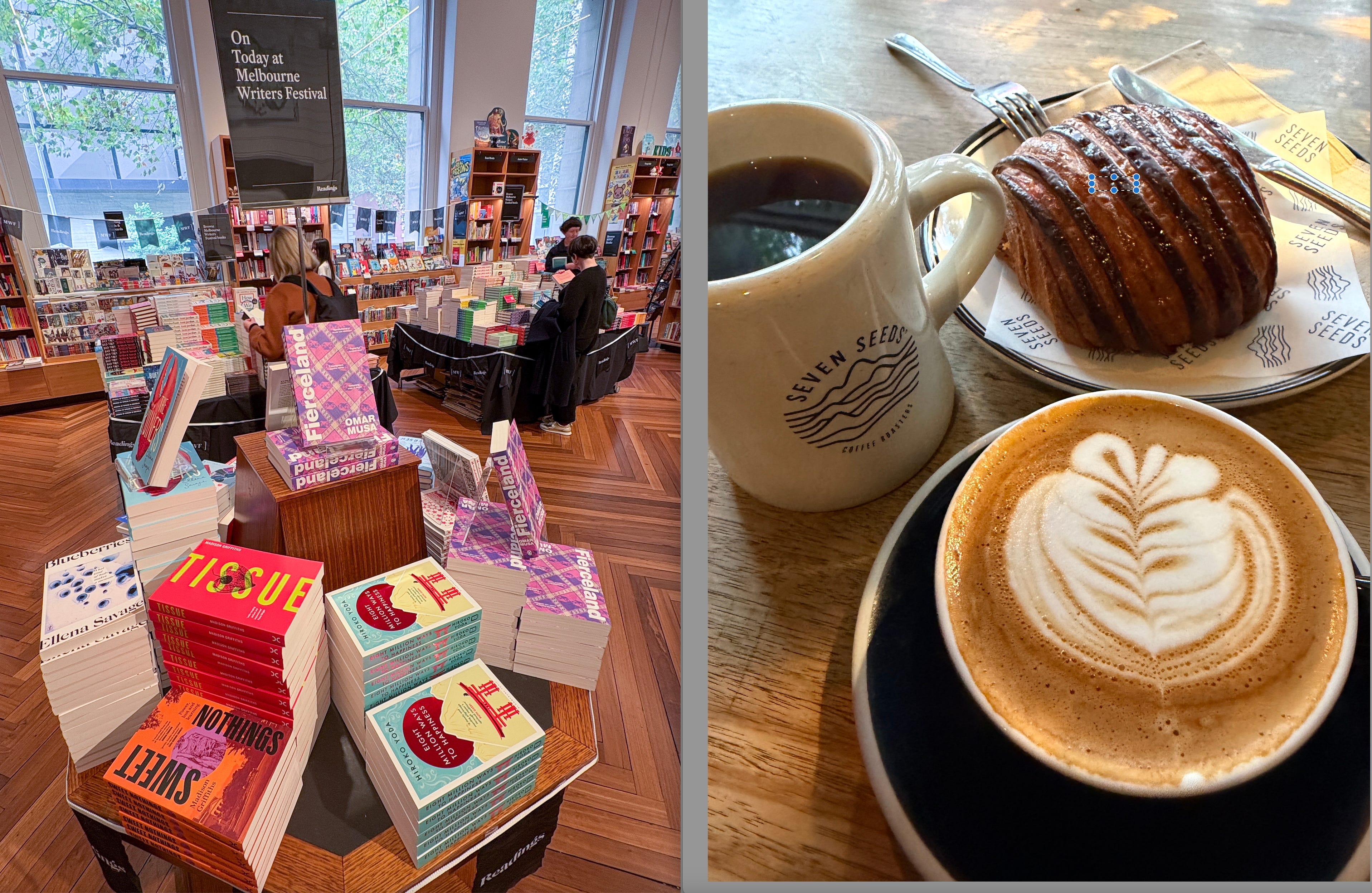
The first thing I noticed about Australia was the reading culture – specifically, the numbers of people reading paper books. Admittedly, I was there for book festivals and was surrounded by writers and readers much of the time, but I still think the country is special this way. In Melbourne, I felt like there was a boutique book store in almost every corner of town, many interestingly curated. A festival organizer mentioned that there were more book clubs in the city than anywhere else in Australia, and that almost everyone belonged to some kind of a book club. As I traveled around Australia I saw many people reading books, and I mean book books, not kindles or ipads or whatever. I spotted books on the passenger seats of the taxis we rode in. I saw more books and readers in the coffee shops, of which Australia has many (Melbourne’s were my favorite.) Coffee and books! A great combo. I began every day with a flat white – which I learned also happens to be an Australian invention.
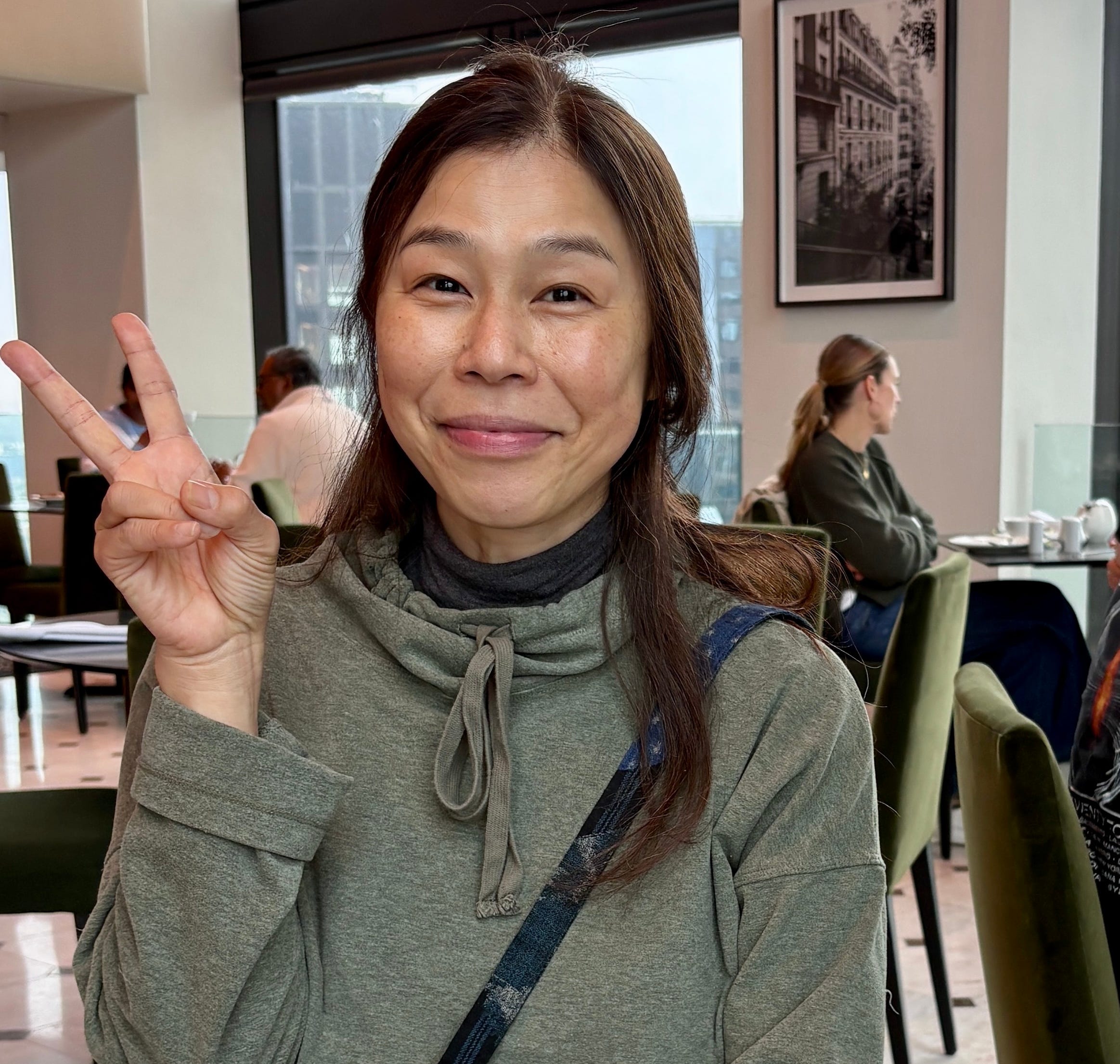
We were put up in hotels and lodges with fellow writers who’d been flown in from all over Australia and the world. This meant we spent many meals together, especially breakfasts. The Melbourne Writer’s Festival put us all up in a fancy hotel, centrally located and full of business travelers and tourists. But the funny thing was, you could really tell who the writers were. Some had pens and notepads on their tables. Some dressed uniquely, or had unique hairstyles. When we saw someone who looked bookish yet didn’t seem the type to stay at a fancy hotel like this, we’d go up and introduce ourselves – are you here for the festival too? Many were. Michael Pedersen, author of the recently-released Muckle Flugga. Susan Choi, who wrote Flashlight. And Maria Riva, and who wrote Endlings. We even ran into Jacinda Ardern, the former prime minister of New Zealand, who was part of the festival too. Unfortunately, the timing didn’t work out for us to speak.
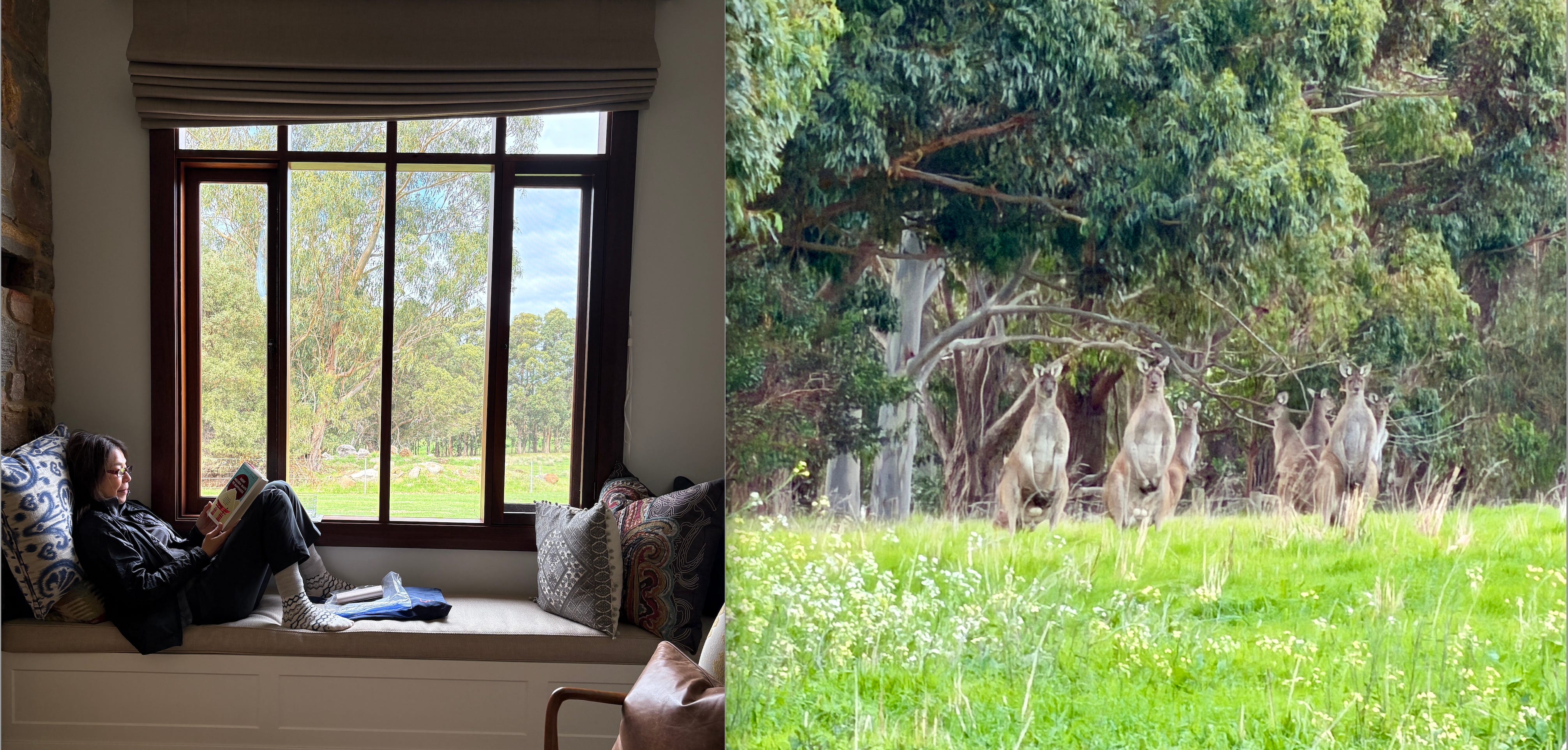
From Melbourne, all of us spread far and wide for other festivals in Australia and New Zealand. Matt’s and my itinerary took us to Margaret River, a three-hour drive south of Perth in far southwestern Australia. This was one of the more exotic places I’ve ever been. A local winery put us, and many other writers, up in a gloriously well stocked guest house. I mean that in all senses of the word. It was stocked with talent: Susan Choi, Australian satirist Shaun Micallef of De’Ath Takes a Holiday, politician Bob Brown of Defiance: Stories from Nature and Its Defenders, and David Szalay, who won the Booker for Flesh. So was the shared kitchen, which was provisioned with cheeses, olives, charcuterie, and all the wine one might care to drink. For us, the highlight of every day was gathering around the table over coffee or wine, chatting about all sorts of things, politics regional and global, entertainment, and of course, writing. It took me a while to realize the sense of nostalgia I was feeling: the dorms. Only we were all many decades past those college days.
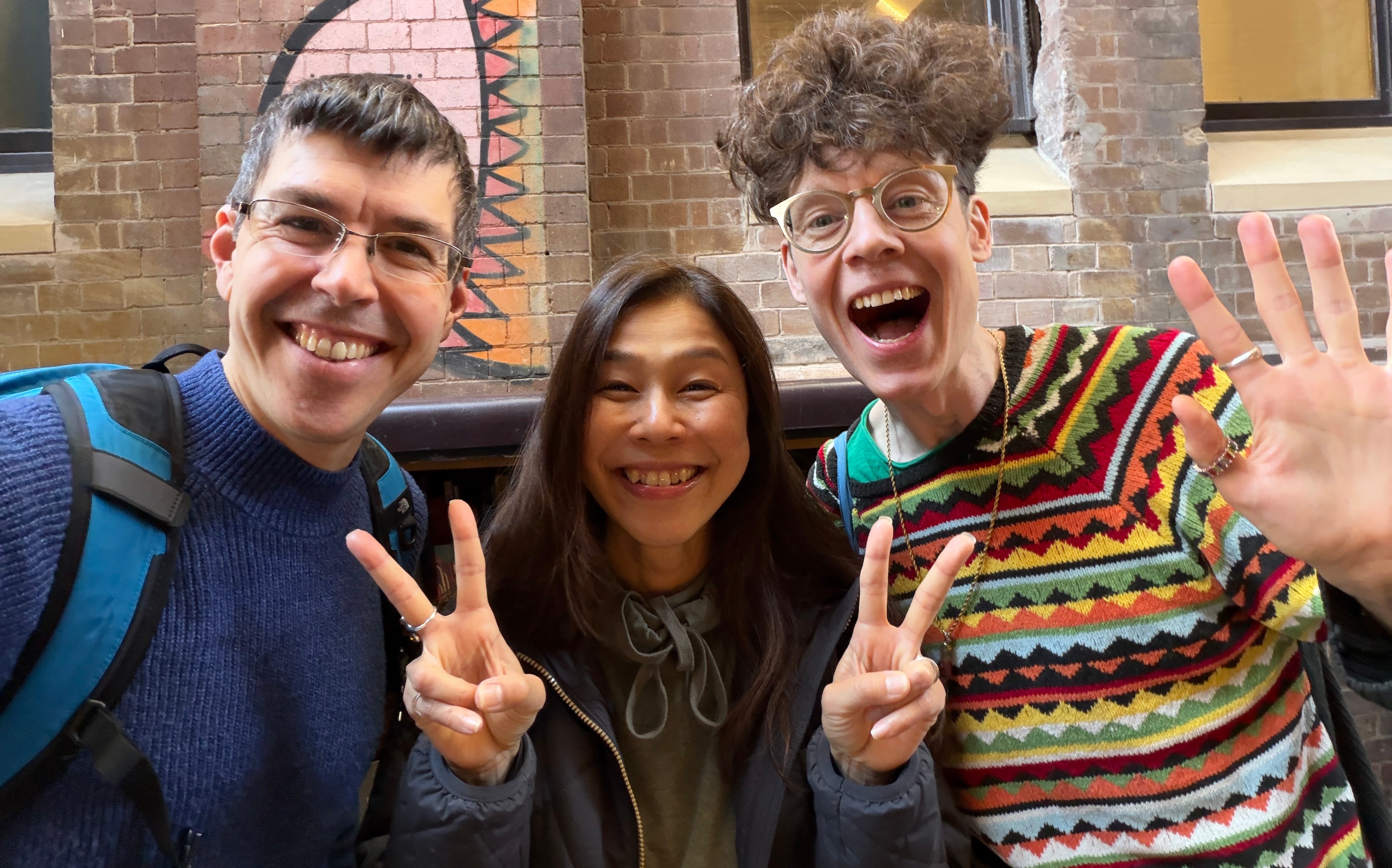
And then all of us united again for the biggest one in the country, the Sydney Writers’ Festival (this article even gives me the last word!) 100,000 readers gathered to hear their favorite writers speak. By that point, we felt like we met old friends again. There’s Susan! There’s Maria! There’s Shaun! There’s Michael! There were some funny moments. In the green room, where the writers waited for their turns to talks, Matt fell in with a group killing time by working a crossword puzzle together. This was a heady bunch, many of them Booker Prize winners or shortlisted for it, including Yann Martel of Life of Pi fame, David, who’d just won this year’s prize, and Susan, who was the runner-up. Matt sidled up right as they struggled with a strange clue: “Jujutsu Kaisen creator ____ Akutami.” What timing! “That’s ‘Gege,’” said Matt, as the collected looked up in disbelief. So it was that a little anime knowledge saved a bunch of award-winning writers from the horror (ha ha) of failing to complete a word game.
Getting to spend time with such big names was both inspiring and educational. I am a non-fiction writer, but I learned that there is a great deal of overlap among fiction, nonfiction, and even poetry. Until I’d met Michael Pedersen, I had no idea there was an actual job of “Poet Laureate.” He is the city of Edinburgh’s. This was my first time rubbing elbows with a bona-fide poet, so I was full of questions. One thing that really blew my mind was his penchant for creating new words when the need suited him. He was a particular fan, he said, of “verb-ing nouns,” such as “the rain porridged the ground.” I love the idea. Why not make up new words? It turned out a lot of people there had poetry backgrounds, even if they worked in other genres. Mick Herron, the creator of Slow Horses, was another. He talked about having started his career as a poet before swerving into crime fiction.
Meanwhile, Shaun Micallef talked to me about how important it is to stay true to a character, even if you don’t agree with them. In fact, especially if you don’t. “Make other characters argue with them,” he laughed. “That’s part of the fun of writing fiction.” It made me want to try my hand at it someday.
This is what I mean about the festivals feeling like university. The other authors were like our classmates. The books we’d written were like our assignments. Our talks, class presentations. Our hotels, our dorms; the green rooms our cafeterias.
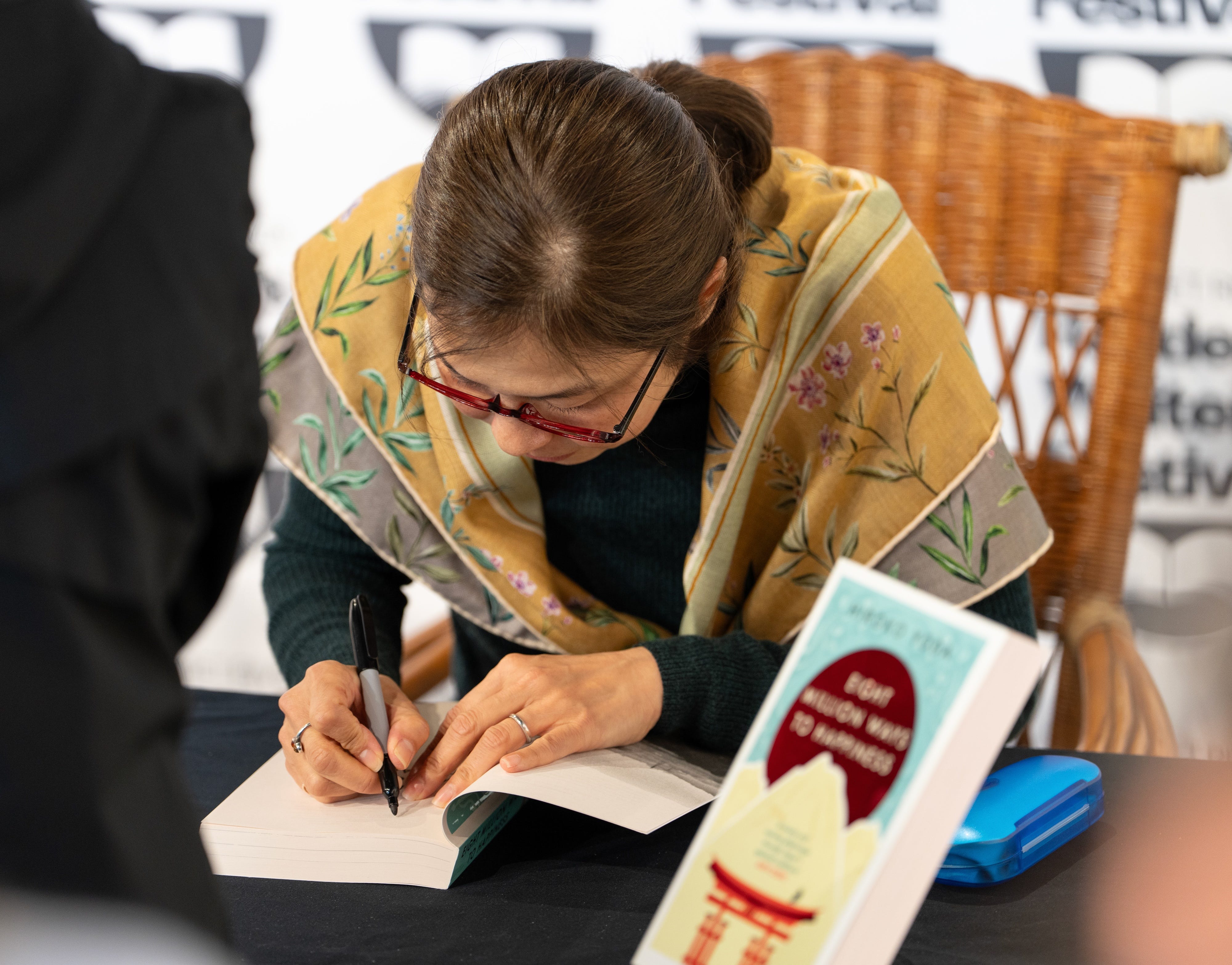
My events went really well. Writing is solo work, and you never know how your book will be received out in the wild, not until you actually meet readers in person. People welcomed me warmheartedly, and I was shocked to see auditoriums fill with people eager to hear me speak. Then came the signings afterwards. Now, I’m not a superstar like some of the attendees – R.F. Kuang supposedly signed two thousand books over an evening in Sydney – but I was still touched to see how many people lined up for me. One thing that struck me was the range of people, young, elderly, different genders, you name it. When I signed, I tried to chitchat with everyone. Some told me they were planning to go to Japan. Some have already visited and were planning to go back. Someone even told me a funny story: they’d seen a couple arguing right before my talk started, but they seemed to have made up by the end.
Most of all, however, I noticed that a lot of the people who came up to talk had lost someone very close to them. My book tour began on Mothers’ Day. A teenager told me, in Japanese she’d been learning, that she’d lost her mother three years prior. A middle-aged man told me he’d lost his son just two weeks before. A mother had lost a baby. Another woman, about my age, broke down in tears and thanked me, without telling me why.
Years back, when I was still shopping the proposal for my book around, a publisher said something that stuck with me. “What you’re writing now is your own story. But once your book is published, it won’t only be yours any more. It’ll become the readers’ stories, too.”
It sounded sort of cryptic at the time. But now I think I’m finally starting to understand. My book is my story, my avatar, but it is its own entity. The day of its publication is when it began walking on its own two feet, so to speak. And those feet have taken it far and wide, meeting many different people, each of whom resonates with my stories in their own personal ways.
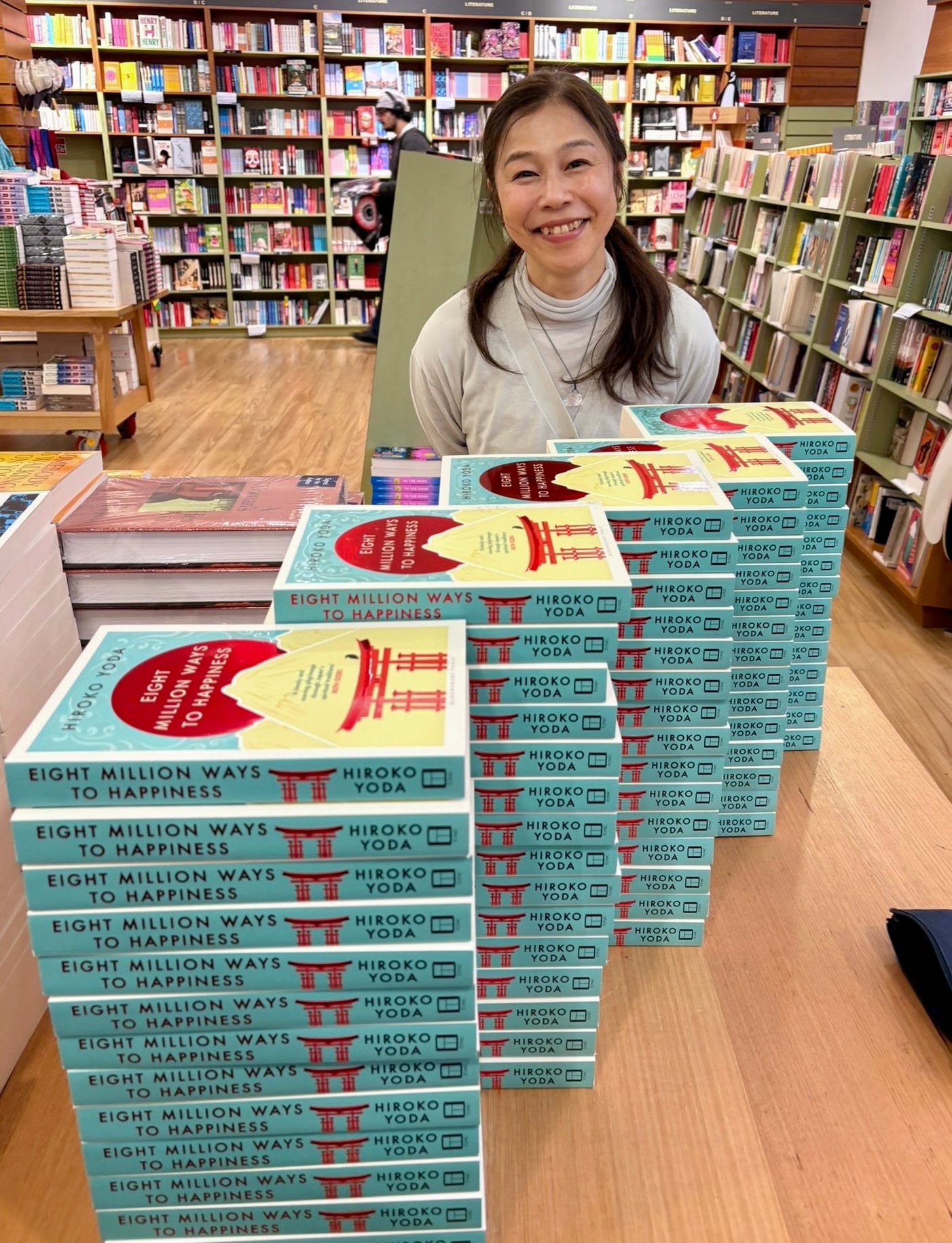
After my final event, I thanked one of the organizers for having me. “This really made me feel like a writer with a capital W,” I remarked. She cocked her head and smiled. “I think you always have been one.” It was a moment.
I wish you could have been there to see it, mom and dad. But I know you’d be proud.
Hiroko: Congratulations on your visit to Australia for writers festivals. Melbourne, where my wife and I married; Margaret River where we visited seven years ago and Sydney where I was born, later studied and taught. And thank-you for sharing that lovely letter to your parents. I endorse that concept - having in the last few years written three long letters to loved ones suddenly gone - a younger fellow Australian met in Japan - but who died just before his 40th birthday - leaving a son, one of my god-children; a Shintō priest mate in Ube-shi in Yamaguchi-ken; and my younger brother, who died suddenly five years ago. Those lengthy letters gave me the chance to spend time with each one - remembering significant times and conversations - to honour them. I'm glad you liked your time here and met up with Australians and international writer guests at the same time. And congratulations again on your book! Jim
That sounds like it was an amazing trip. Even though I have no idea who all the people are you mention