

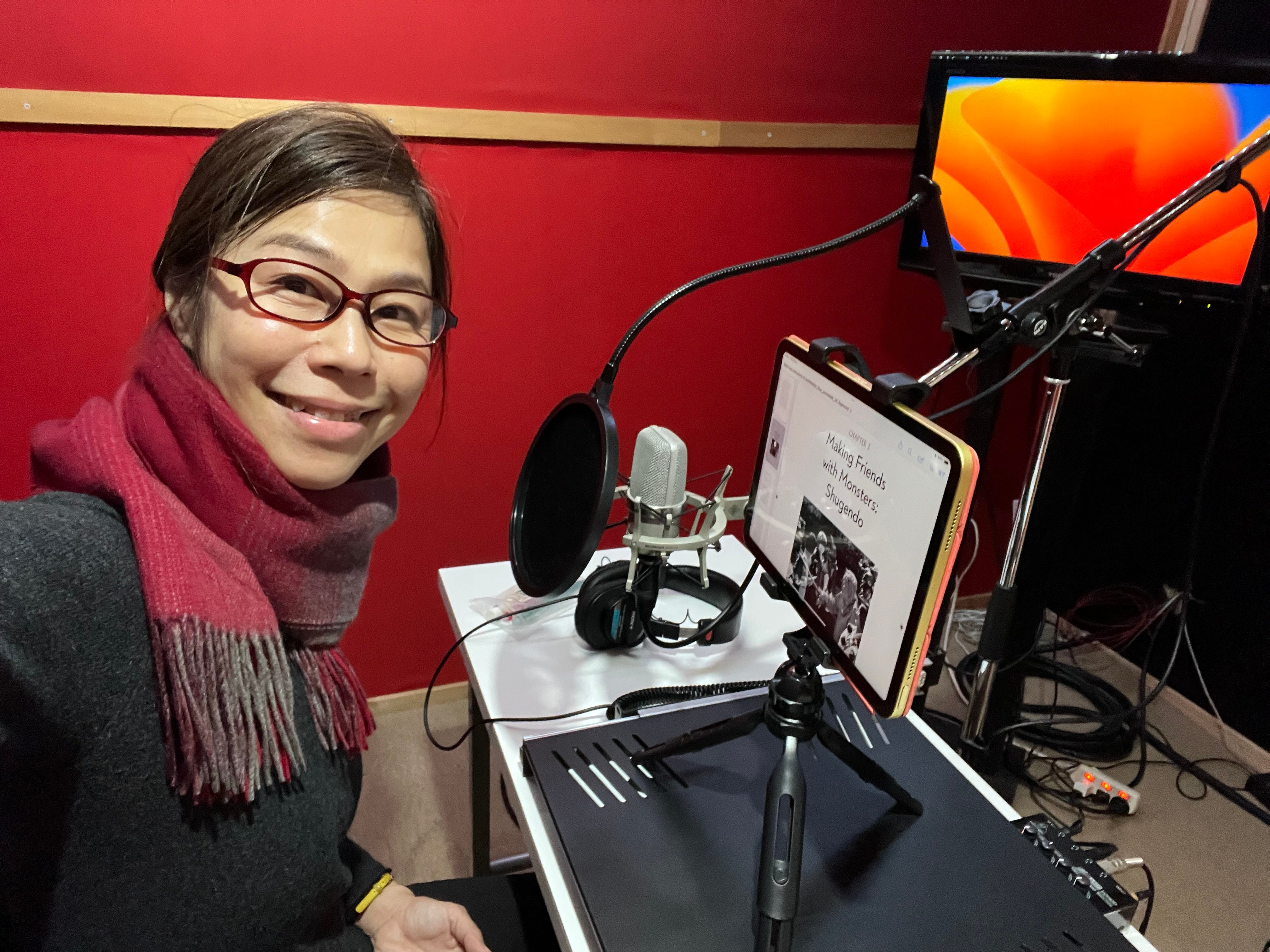
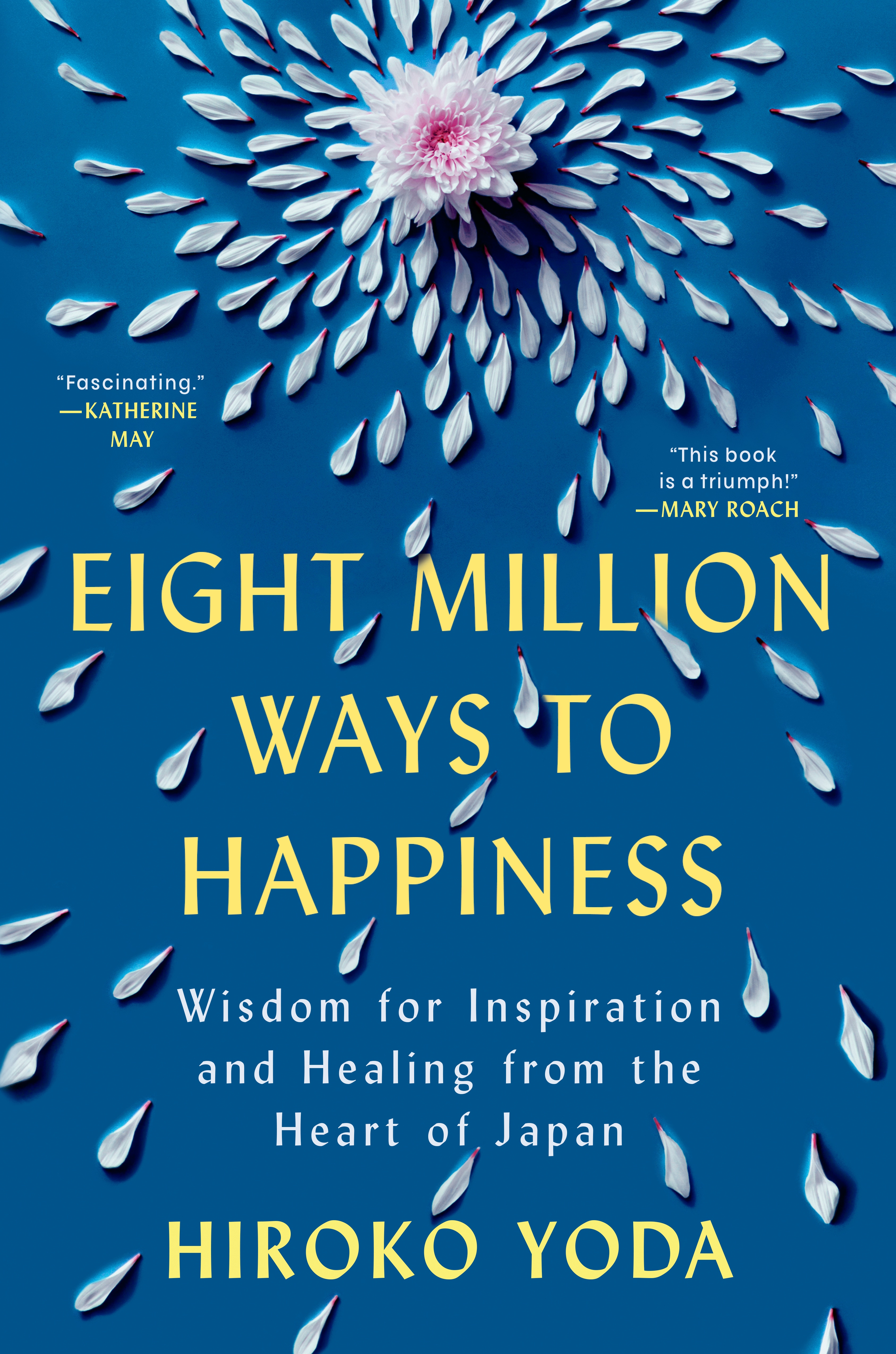
I just accomplished something I’ve never done before: recording an audiobook. “Eight Million Ways to Happiness” is coming out in just a few weeks, on December 30th, and I am so happy to have had this precious experience.
The book is 345 pages long, and it took me seven full days in the studio to finish reading all of them aloud. That’s 104,000 words!
The recording sessions were spread throughout November to give me a chance to rest. But to tell the truth, I couldn’t really rest because I was spending the time between making preparations. On day one, we found that I could get through about fifty pages a day. So I made sure to read at least fifty pages ahead of each session. Not aloud, though. I had to save my voice, so I read it in my head. And when wasn’t sure about the pronunciation of a word – which happened a lot; I realized I know a lot more words than I know how to say – I’d have to search for it online, bring up a pronunciation, and practice ahead of time.
The whole process felt a little like a marathon. Reading the book took total concentration from beginning to end, especially with my being a non-native speaker! I took breaks, of course, but it was basically seven hours straight of sitting and talking every time. I knew I couldn’t burn out in the middle, so I had to monitor my stamina and health the whole time.
But in the end, I did it! I finished it! Hurraay for me!

When I was still in the midst of writing the book, I knew there would be an audio version, but I never planned to record it myself. The reason was simple. I am not a native speaker. I figured this alone disqualified me for the task. “It’s about quality,” I would answer, if friends ever asked why I wouldn’t do it. “Reading words is a totally different skill from writing them. I just can’t see myself doing it.” And I had some bigger worries – my book is about a journey of healing, but it begins with my parents’ passing. I was afraid I might break down in the studio.
But much later, when I finished writing, I realized my book contained a whole lot of Japanese words. My book is about Japanese culture; many words are deeply connected to it. I’d long since made the decision to leave those words as is. I’ve never recorded an audiobook myself before, but I have a lot of experience producing voice-overs for videogames. I spent months at studios in Vancouver and L.A. coaching voice actors through the pronunciation of words from the games my company had localized. And from that experience I knew that some words just threw non-native-Japanese for a twist, especially combined syllables like “hya” or “ryu.” Often, even after extensive coaching, we had to settle for an accented version.
Will I be happy if the same thing thing happens with my audiobook? I asked myself. And I knew the answer: absolutely not. Plus, my book not only had Japanese words, but also a fragment of a traditional song. If they hired someone without any Japanese background, how would they know the tune? Besides, I’d made it this far, pouring all of my effort into the book. So why give up now? The way I saw it (or started seeing it), I owed it to myself to see things through all the way to the end. The recording was definitely a part of the process. So when the time came, I threw my hat in the ring. I recorded a few pages at home as a sample. And while I worried endlessly that I wasn’t as fluid as a native speaker, the editor said that might actually be a selling point, that it would feel real and authentic, that they would know they were listening to me.
The most difficult part of recording the audiobook, I learned, is that a sentence can look great on the page, and even resonate in your heart, yet be difficult to enunciate aloud. I wrote every word, knew the contents inside and out, yet still tripped up on a lot of the sentences. It made me realize the difference between the written voice, and the spoken voice. And then there were the quotes, some from archaic books, some in translation and others not, many a century or more old. Those often really threw me for a loop. I’d loved them enough to include them but hadn’t realized how complicated they were to say aloud. Lafcadio Hearn, who naturally wrote in a very 19th century style, was particularly hard for me to find the rhythm of.
At the very first of the first day, I was clearing my throat a lot. I’d take a sip of water out of nervousness after nearly every sentence. But soon, I discovered something unexpected. I kind of liked it!
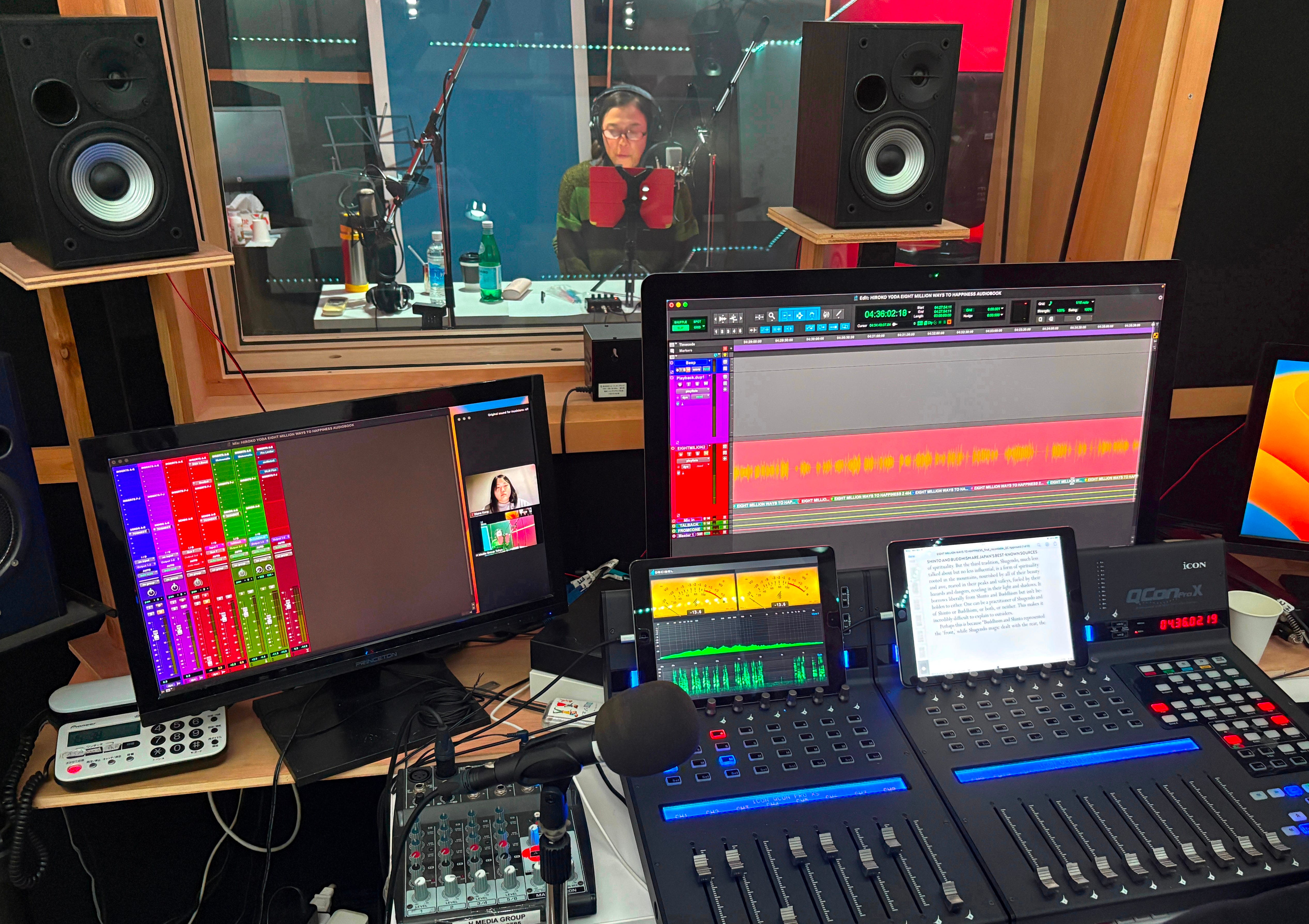
I was being watched and listened to by a small crowd: the director, who was on a video link; a producer, an engineer, and then my husband, who came with me to every session. They literally hung on every word, making sure I was pronouncing them correctly, and sometimes giving me line reads to help me nail the cadence. This was exacting, tiring, draining work. Really. Yet in spite of it all I found myself improbably having fun.
For example, when I read quotes, I imagined the speakers in my head and pretended as if they were reading. I didn’t try to do their voices, because I’m not an actor and that’s not what an audiobook is about. But I wanted to channel a little of their spirit. For Lafcadio, I tried to affect the pattern of a curious but somewhat stubborn man. Carmen Blacker, author of a great book called The Catalpa Bow, felt a little poetic. And when I read from an old tale about Taira no Masakado, a fierce warrior who lived a thousand years ago, I put a lot of masculine oomph into it. I remember hearing after that the director had been happy with the delivery, which gave me even more confidence.
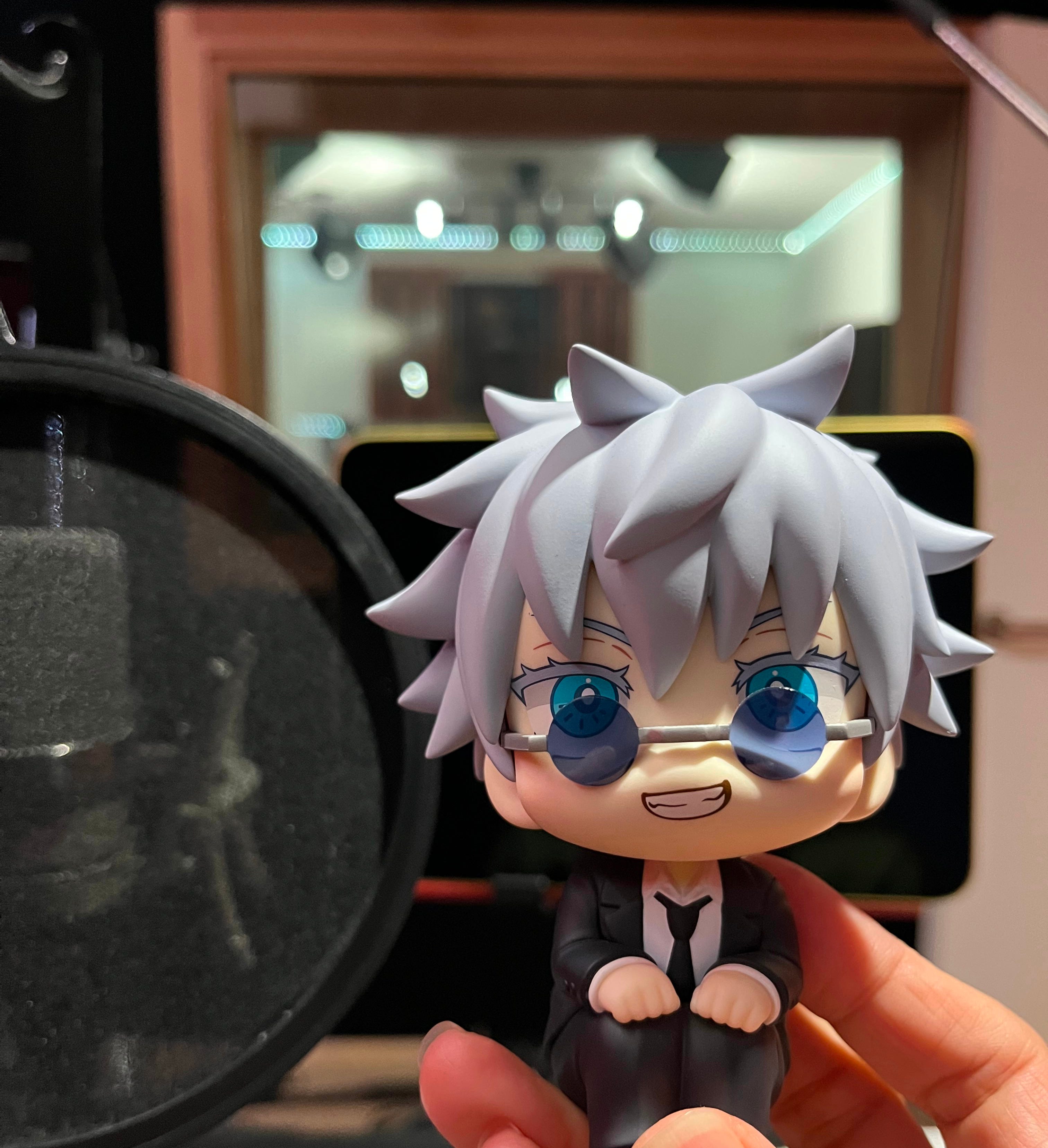
When it came time to record the painful passages, I came up with a silly little idea. I brought a small toy figure of Gojo from Jujutsu Kaisen, one of my favorite characters from the show, and put it on the desk right in front of me for some quiet emotional support. Whenever I felt like crying, I’d take a glance at Gojo’s cheeky smile and the tears would stop. It worked every time.
What I truly appreciated about this whole process was performing for the director and producer, who were among the very first people to read my entire book, and the first to hear it spoken aloud. When they laughed at funny parts, or grew quiet during sad ones, it really lifted my spirits. “I learned so much,” the producer told me after every recording. “It has so many aspects,” he later said, “sad and funny, scary and heart warming, and educational and entertaining.” I thought I might cry when I heard this.
When I packed up my belongings after I finished recording on the last day, the producer came up and told me not to worry about my accent, or occasional stumbles. “We will pick the best parts and stitch them together,” he said. “Besides, I liked your voice. It will be great.”
I thanked him and said “I felt like a pro,” as a joke. But then he said something that really made me feel good.
“You are a pro. You finished the entire audiobook!”
I am very excited to see my book go into the world, and even more excited for all of you to read and listen to it.
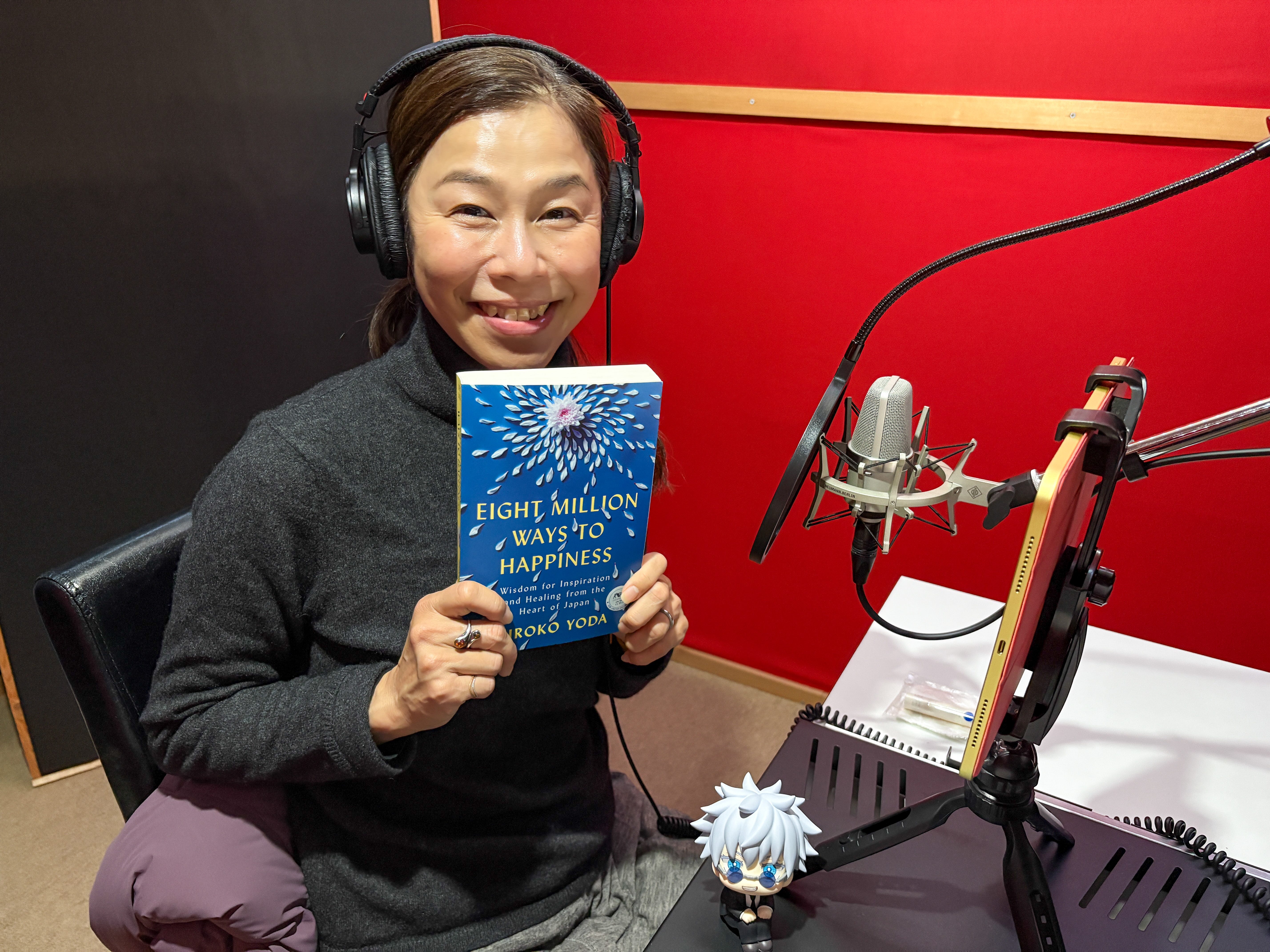

I wrote a book about my experiences and adventures exploring Japan’s spirituality. It’s called Eight Million Ways to Happiness, and is due out in December of 2025. Please pre-order it here!
What an amazing accomplishment!
I have reported on the radio for almost three decades, but I very much doubt I would have the courage to read a book, especially my own.
I agree with your editor that your not being as fluid as a native speaker "might actually be a selling point, that it would feel real and authentic." I love listening to the real author of a book.
Omedetō! You did it! Bravissima!