

One of the first things every author wants to know is when their book will be published. I certainly did. When I handed in the final edit of my manuscript, I asked my editor, with all of the emotion of a parent asking their due date, when mine would arrive. “December 30th, 2025” was the answer. I was a little surprised. After Christmas? The biggest shopping season in the U.S.? When I asked her why, she replied: “New Year, New You.”
New Year’s is, I was told, the official season for the release of new titles in the self-help and wellness genres. In fact, later I heard that something like 70% of all book sales are concentrated that period. I don’t believe that publishers originated the phrase or anything like that; it’s simply their way of tapping into the new year’s resolution mindset.
Japan has a similar culture of new year resolutions, but this is but one of many traditions involving the ringing in of the new year. Osoji, big cleanings, are one I’ve written about before. There’s hatsumodé, the very first prayer at a shrine or temple in the new year. And eating osechi, traditional new year meals, served in two-tiered lacquered boxes filled with morsels carefully crafted to symbolize fortune and happiness. But my favorite is hatsu-hinodé, the tradition of waking up (or, if you’re young, staying up) to catch the very first sunrise of the new year. And that’s something I can do anywhere, even outside Japan.
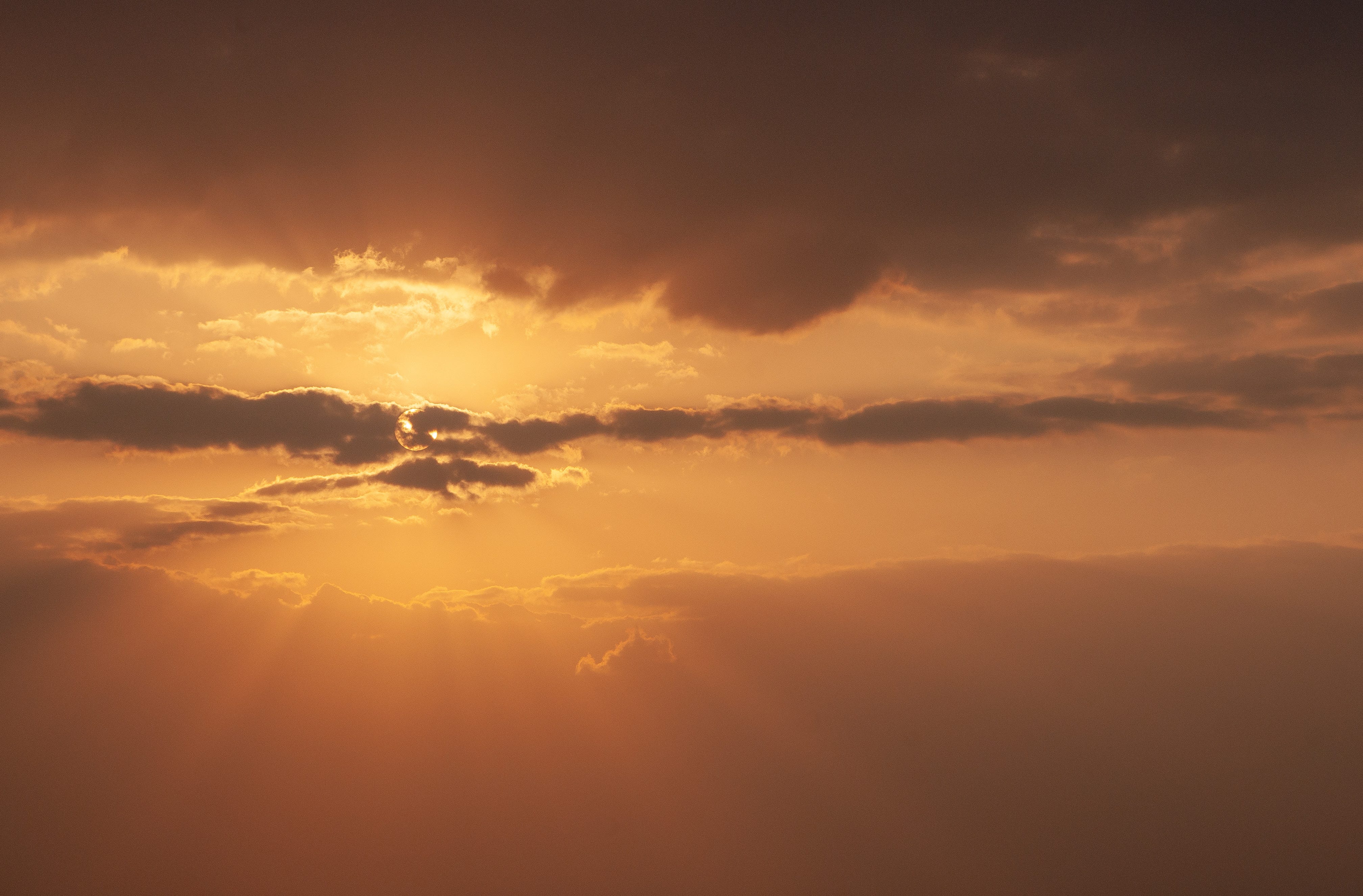
I am writing these words from Maryland, where I spent the last week of 2025 and the first weeks of 2026. I wanted to make sure I was in America when my new book came into the world. I’m glad I did this. It has been a very exciting time. I’ve been doing a lot of podcasts, and I saw my book “in the wild” on the shelves of a bookstore in the local shopping mall – and as a “bookseller favorite,” no less! Because of this I caught my first sunrise of the year here in America. I took the photo below on the C&O Canal, which runs from rural Maryland to Washington DC.

Doing hatsu-hinodé in America reminded me that there are all sorts of “Japanese” traditions that you don’t have to be anywhere near Japan to appreciate. The same is true of the stories I tell in my book. I’m Japanese, and the majority of the story unfolds in Japan, but the things I learned are applicable to anyone, anywhere.
In the podcasts and media appearances I’ve been doing, I’m often asked what the “takeaways” are from Eight Million Ways to Happiness. I deliberately avoided writing something prescriptive, with rules and bullet points and Venn diagrams and all of that. I wanted to tell a story, not be a guru. But of course, I get it. People are busy, and might not have time to savor and digest an entire book quickly. So while I was walking on the canal that first morning of 2026, I thought of two big points that I think capture the spirit of what I learned on my journey writing the book.
The first is, you can’t outsource your happiness. It goes without saying that you shouldn’t invest your sense of self in toxic people, but it’s really true of anyone, even those who care about us and love us deeply. The reason being, that happiness is many different things for many different people. In my book, I quoted a 107 year old (!) master of calligraphy. When she was asked about the meaning of happiness, she answered that it was all a matter of perspective. One person’s happy place can be another’s hell. The what of that happiness, what it means, is entirely up to each one of us. But the how, of how to get there, lies in the second takeaway:
Gratitude. I can’t define happiness for anyone, but I can say that I believe the fundamental building block is a sense of gratitude. In my case, the biggest source of gratitude is around my new book. After it came out, I received many calls and messages. Some contained links and photos. The British chain Waterstones put my book in the very front of their stores. So did Barnes and Noble in the US. Extended family in Scotland sent a picture of my cousin and uncle wearing Santa hats, holding my books in front of the Christmas tree, and even told me that they’d listened to my audiobook on a holiday drive! And just now, I learned that my book has been reviewed in India. I am so, so thankful for everyone and everything supporting my big debut.
Releasing a book is a big deal. But not everything that fills my cup of gratitude is big stuff. Equally if not more important are the little things, by which I mean the stuff of everyday life, the sorts of things so close to the skin that we often don’t notice them until they are gone. Like walking the C&O Canal every morning with my husband and parents in law, when we visit them. We walk and we talk. Occasionally we spot some wild animals. Some are cute, like the muskrats paddling industriously through the water, or a beaver chewing down a freshly-cut branch, like a living pencil sharpener. Some are awe-inspiring, like the bald eagle I watched plunge into the river, then soaring into the sky with a fish in its talons.
After every walk, my husband always fixes us a cup of coffee, which I love to sip near the fireplace in the family room. Sometimes I split a strawberry muffin with him, the ones my mother in law buys for me because she knows I like strawberries. These moments are equally as precious to me as my big achievements, and I feel equally grateful for them. And these examples merely scratch the surface. There are so many other things.
Gratitude is love. Whenever I find something to be thankful for, that love grows. Gratitude is also empowering. It reminds me that I am connected to bigger things: family, society, and nature.
Which brings me back to that first sunrise of this year. As the rays of the sun painted the clouds in glorious reds and purples, the phrase “New Year, New You” popped into my head. Followed by a question: what might that new me be?
The new me is actually being created every hour, minute, and second of the day. Every heartbeat and every breath. But it only exists because of “previous me.” Becoming new doesn’t mean abandoning or letting go. Looking back, my 2025 was filled with up and downs, joys and challenges, all experiences, all equal, in that they are the currency of my life. But I’m not moving on from them. They’ll always be a part of me, a springboard to new journeys and adventures. And I think that’s the same for all of us. So please, old readers and new, old yous and new yous, have a great 2026!

You can order Eight Million Ways to Happiness here! (Or here if you’re in the UK.)

Looking forward to reading! Glad the book is off to a good start! :)
I am currently reading your book and am absolutely loving it! Thank you so much for sharing your experiences and knowledge. I wish you all the very best for the year ahead too.